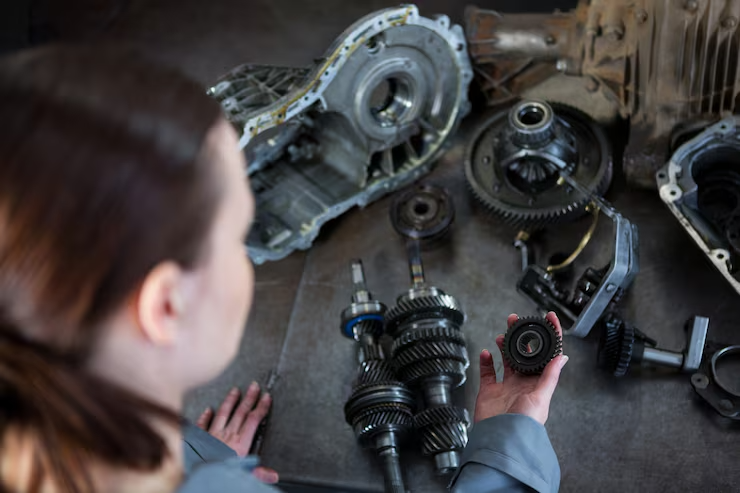
Modern vehicles are designed to deliver smoother driving experiences, and transmission technology plays a crucial role in achieving that goal. Among the various transmission systems available today, the automatik getriebe has become one of the most preferred choices for drivers who value comfort, efficiency, and ease of use. Unlike manual systems, it eliminates the need for constant gear shifting, allowing drivers to focus entirely on the road.
However, while automatic transmissions are engineered for convenience, they are also complex mechanical systems that require proper care. Regular servicing, including procedures such as automatikgetriebe ölwechsel, is essential for maintaining performance and preventing costly repairs. Understanding how these systems work and how to maintain them properly can significantly extend the life of your vehicle.

How an Automatik Getriebe Works
The Basic Mechanism Behind Automatic Transmissions
An automatik getriebe automatically changes gear ratios as the vehicle moves, allowing the engine to operate efficiently across different speeds. Instead of a clutch pedal and manual gear shifts, automatic transmissions rely on hydraulic systems, sensors, and electronic controls to determine when a gear change is necessary.
The system primarily consists of a torque converter, planetary gear sets, and a hydraulic control unit. The torque converter replaces the manual clutch and transfers power from the engine to the transmission. Meanwhile, planetary gear sets allow multiple gear ratios to be engaged smoothly without interrupting power delivery.
Role of Transmission Fluid in System Performance
Transmission fluid is one of the most important components in the system. It performs several critical functions:
- Lubricating internal moving parts
- Cooling transmission components
- Providing hydraulic pressure for gear shifts
- Preventing excessive wear and friction
Without proper fluid condition, even the most advanced automatic transmission can suffer performance issues or mechanical damage.
Why Automatikgetriebe Ölwechsel Is Essential
Preventing Wear and Mechanical Damage
Over time, transmission fluid gradually breaks down due to heat, friction, and contamination. Metal particles from normal wear can accumulate in the fluid, reducing its effectiveness. When this happens, the transmission components no longer receive optimal lubrication.
Regular automatikgetriebe ölwechsel removes degraded fluid and replaces it with fresh transmission oil, ensuring the system continues to function efficiently. This maintenance step helps protect gears, bearings, and hydraulic systems from long-term damage.
Improving Driving Comfort and Gear Shifting
Drivers often notice smoother gear changes immediately after a transmission fluid change. Clean fluid allows hydraulic systems to respond faster and more accurately, resulting in better shifting performance.
Ignoring fluid maintenance can lead to symptoms such as:
- Delayed gear engagement
- Rough or jerky shifting
- Unusual noises from the transmission
- Increased transmission temperature
Routine servicing helps prevent these issues before they escalate into serious mechanical problems.
Extending the Lifespan of the Transmission
Automatic transmissions are among the most expensive components in a vehicle. Replacing one can be significantly more costly than performing regular maintenance.
Consistent servicing, including timely fluid changes, helps maintain the internal components and ensures the transmission continues to perform efficiently for many years.
Signs Your Automatic Transmission May Need Service
Warning Signals Drivers Should Not Ignore
Automatic transmissions often provide early warning signs when something is wrong. Recognizing these symptoms can prevent small issues from becoming major mechanical failures.
Common indicators include:
- Slipping gears while accelerating
- Delayed response when shifting between drive modes
- Burning smell from the engine area
- Transmission warning lights on the dashboard
If any of these symptoms appear, it is advisable to have the system inspected by a professional technician.
The Importance of Professional Diagnosis
Because automatic transmissions involve sophisticated mechanical and electronic systems, diagnosing problems without proper tools can be challenging. A professional inspection typically includes checking fluid quality, monitoring transmission pressure, and scanning onboard computer systems for error codes.
Specialized workshops with experience in automatic transmissions can provide detailed assessments and recommend appropriate servicing procedures.
Drivers seeking more information about automatic transmission maintenance and professional servicing can explore the technical insights available at https://www.veltech.at/, where specialists focus on diagnosing and maintaining complex transmission systems.
Best Practices for Maintaining an Automatik Getriebe
Follow Manufacturer Maintenance Intervals
Vehicle manufacturers typically recommend specific intervals for transmission service. These intervals may vary depending on driving conditions, vehicle type, and transmission design.
For example, vehicles frequently used in heavy traffic, mountainous terrain, or towing situations may require more frequent maintenance.
Monitor Fluid Condition Regularly
Checking transmission fluid condition is a simple but valuable practice. Healthy transmission fluid usually appears clean and reddish in color. If it becomes dark, burnt-smelling, or contaminated, it may indicate that a fluid change is necessary.
Regular inspections help identify potential issues before they affect performance.
Avoid Driving Habits That Stress the Transmission
Certain driving habits can place unnecessary strain on an automatic transmission. For instance:
- Rapid acceleration immediately after starting the vehicle
- Constant stop-and-go driving without allowing the transmission to cool
- Overloading the vehicle beyond its recommended capacity
Driving smoothly and allowing the vehicle to warm up properly can reduce stress on transmission components.
Schedule Periodic Professional Inspections
Even if no visible problems appear, periodic inspections by transmission specialists can help detect early wear or fluid deterioration. Preventive maintenance is always more cost-effective than major repairs.
Conclusion
Automatic transmissions have transformed modern driving by making vehicles easier and more comfortable to operate. The automatik getriebe offers convenience, smooth performance, and efficient power delivery, but its advanced design also requires careful maintenance.
One of the most critical maintenance procedures is the automatikgetriebe ölwechsel, which helps maintain lubrication, cooling, and hydraulic performance inside the transmission system. Regular servicing, attentive driving habits, and timely inspections can significantly extend the lifespan of the transmission while ensuring consistent driving comfort.