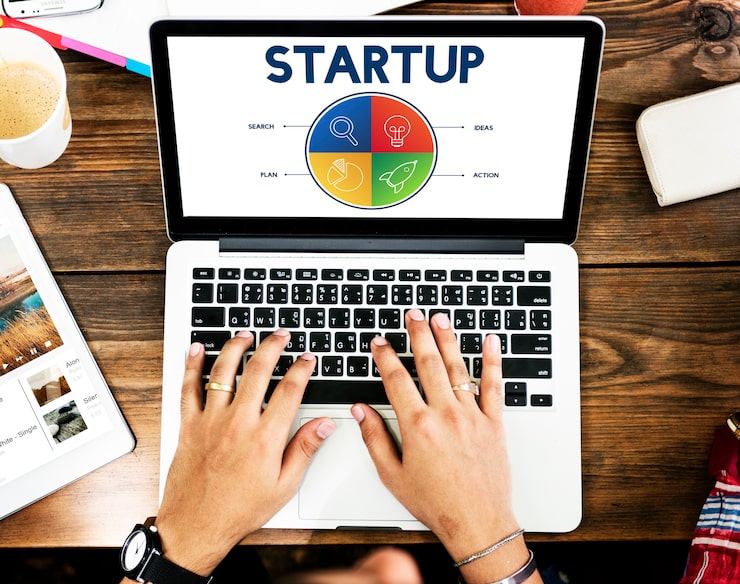
Building a startup product without proper validation often leads to wasted time, high costs, and missed opportunities, which is why MVP Design and Development has become a powerful and practical approach for modern founders who want to build smarter and faster, as it allows them to create a simplified version of their product with only the most essential features, launch it quickly into the market, gather real user feedback, and improve continuously, ensuring that the product evolves based on actual user needs rather than assumptions, ultimately helping startups reduce risks, save resources, and increase their chances of long-term success.
The Real Meaning of MVP Design and Development
MVP design and development is not just about building a smaller version of a product but about creating a focused solution that solves a specific problem while allowing startups to test their ideas in real-world conditions, and instead of spending months developing a complete product, founders can launch a basic version that delivers value to early users and helps them understand what works and what needs improvement, making it a strategic and data-driven approach to product development.
Why Startups Depend on MVP Strategies
In today’s competitive digital landscape, startups need to move quickly and adapt continuously, and MVP design and development provides the flexibility to do both by enabling faster product launches, reducing development costs, and allowing founders to make informed decisions based on real user feedback, which ultimately leads to better products and stronger market positioning.
Benefits That Make MVP Essential
One of the biggest benefits of MVP design and development is the ability to launch quickly, which helps startups gain early traction and stay ahead of competitors, while also minimizing development costs by focusing only on core features, and providing valuable insights through user feedback that guide future improvements, making the overall product development process more efficient and aligned with user expectations.
A Practical Approach to Building an MVP
The process of MVP design and development begins with identifying a clear problem that needs to be solved and understanding the target audience, followed by selecting the most important features that directly address the problem, then designing a simple and user-friendly product, developing it efficiently, launching it to early users, and continuously improving based on feedback and performance data, ensuring that the product evolves in the right direction and meets market demands.
Mistakes That Can Affect MVP Success
Despite its advantages, many startups make mistakes during MVP development, such as adding too many features, ignoring user feedback, or delaying the launch due to perfectionism, but by focusing on simplicity, listening to users, and embracing an iterative approach, these mistakes can be avoided, leading to a more successful product development journey.
Why Custom MVP Development Is Crucial
Every startup has unique goals, challenges, and target audiences, which is why Custom MVP Development plays a critical role in ensuring that the product is tailored to specific business needs, allowing startups to build solutions that are not only functional but also scalable and aligned with their long-term vision, making it easier to grow and adapt as the business evolves.
How Expert Agencies Support MVP Development
Working with an experienced product development agency like 918 Studio can significantly improve the success of your MVP, as they provide expertise in product strategy, design, and development, helping founders move from idea to launch efficiently while ensuring that the product is built with a strong foundation for future scaling, which is especially beneficial for startups with limited technical resources.

MVP Design and Development for SaaS Growth
For SaaS startups, MVP design and development is particularly important because it allows them to test their software solutions with real users, gather insights, and refine their products before scaling, helping them build better user experiences, validate demand, and increase their chances of attracting investors by demonstrating real traction and market fit.
When Should You Build an MVP
The right time to start MVP design and development is when you have a clear idea but are unsure about its market potential, as building an MVP allows you to test your concept early, gather feedback, and make improvements before making larger investments, which ultimately leads to smarter decisions and a higher likelihood of success.
Conclusion
MVP design and development is a smart and effective strategy that enables startups to build products more efficiently by focusing on essential features, launching quickly, and improving continuously based on real user feedback, helping founders reduce risks, save time and resources, and create products that are more aligned with market needs, ultimately increasing their chances of success in a competitive environment.
FAQs
What is MVP design and development in simple terms
It is the process of building a basic version of a product with essential features to test an idea and gather user feedback before full development.
How does MVP design and development help startups
It helps startups validate ideas early, reduce risks, and improve products based on real user feedback, leading to better outcomes.
Why is custom MVP development important
Custom MVP development ensures that the product is tailored to specific business needs and is scalable for future growth.