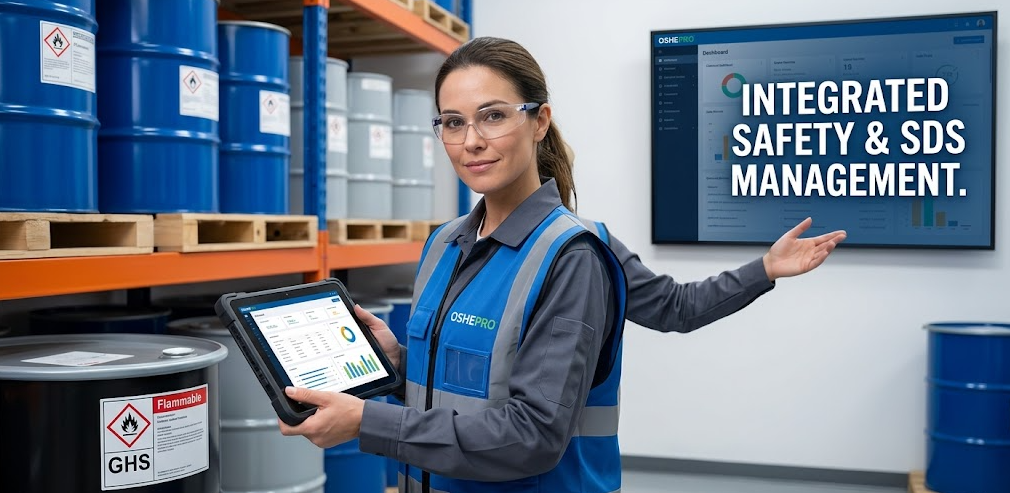
Managing workplace safety is not just about following rules but about protecting employees and ensuring smooth operations, and SDS Management plays a critical role in achieving this goal by helping organizations handle chemical safety information effectively, reduce risks, and maintain compliance with safety regulations while creating a safer and more informed work environment for everyone involved.
What Is SDS Management and Why It Matters
SDS management refers to the process of organizing, maintaining, and updating Safety Data Sheets that provide detailed information about chemicals used in the workplace, including hazards, handling procedures, storage requirements, and emergency measures, making it an essential part of any safety program because it ensures that employees have access to accurate and up-to-date information when working with potentially hazardous substances.
The Role of Safety Data Sheets in Workplace Safety
Safety Data Sheets act as a critical source of information that helps employees understand the risks associated with chemicals and how to handle them safely, and by maintaining proper SDS records, organizations can reduce workplace accidents, improve emergency response, and ensure compliance with safety standards, while also building confidence among employees who rely on this information for their daily tasks.
Key Components of Effective SDS Management
Effective SDS management involves several important elements, including collecting all relevant safety data sheets, ensuring they are easily accessible to employees, regularly updating them to reflect changes in regulations or chemical formulations, and organizing them in a structured system that allows quick retrieval during emergencies or inspections, which ultimately helps improve both safety and operational efficiency.
Common Challenges in SDS Management
Many organizations face difficulties in managing SDS documents due to outdated systems, lack of centralized storage, and inconsistent updates, which can lead to missing or incorrect information, making it harder for employees to access critical safety data when needed, while manual processes also increase the risk of errors and inefficiencies that can affect compliance and workplace safety.
How Digital Solutions Simplify SDS Management
The adoption of digital tools has transformed how businesses manage safety data sheets by providing centralized platforms that store, organize, and update SDS documents automatically, making it easier to ensure accuracy and accessibility, and using solutions like OSHEPRO allows organizations to streamline their processes, reduce administrative burden, and maintain compliance with minimal effort while improving overall safety performance.
Integrating Technology for Better Compliance
Modern workplaces are increasingly relying on Ehs Compliance Software to manage safety processes more efficiently, as these tools integrate SDS management with other safety functions such as incident reporting, risk assessment, and compliance tracking, enabling organizations to gain a comprehensive view of their safety performance while ensuring that all regulatory requirements are met consistently and effectively.
Best Practices for Managing SDS Effectively
To maintain an efficient SDS management system, organizations should ensure that all safety data sheets are up to date, easily accessible to employees, and regularly reviewed for accuracy, while also providing proper training to employees so they understand how to use SDS information in their daily tasks, and implementing a centralized digital system can further enhance efficiency and reduce the risk of errors.
The Impact of SDS Management on Compliance
Proper SDS management is essential for meeting regulatory requirements related to chemical safety, as failure to maintain accurate and accessible safety data sheets can result in penalties, legal issues, and increased risk of workplace incidents, while organizations that prioritize SDS management are better equipped to handle inspections, respond to emergencies, and maintain a strong safety record.
Why OSHEPRO Is the Right Choice
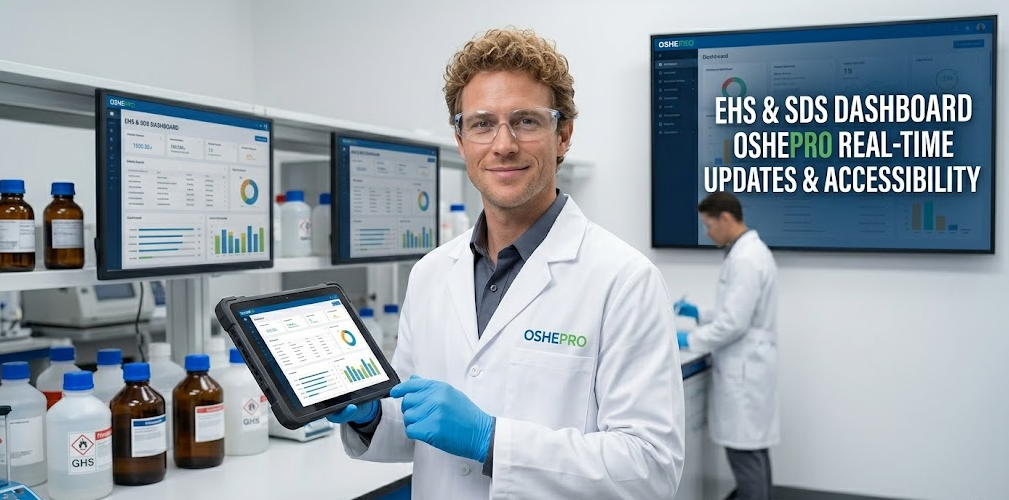
OSHEPRO offers a powerful EHS management software solution that simplifies SDS management by providing tools for organizing, updating, and accessing safety data sheets in a centralized platform, helping businesses automate compliance processes, improve safety standards, and achieve sustainability goals while reducing manual effort and improving overall efficiency.
Building a Safer Workplace with SDS Management
Creating a safe workplace requires a proactive approach that includes proper SDS management, employee training, and continuous improvement of safety processes, and by ensuring that accurate safety information is always available, organizations can reduce risks, improve employee confidence, and create a culture of safety that supports long-term success.
Conclusion
SDS management is a vital component of workplace safety and compliance, as it helps organizations manage chemical hazards effectively, ensure regulatory compliance, and protect employees from potential risks, and by adopting modern tools and best practices, businesses can streamline their processes, improve safety performance, and build a more secure and efficient work environment.
Frequently Asked Questions
What is SDS management?
SDS management is the process of organizing and maintaining safety data sheets that provide information about chemical hazards, handling procedures, and safety measures.
Why is SDS management important?
It is important because it helps ensure workplace safety, supports regulatory compliance, and provides employees with essential information for handling hazardous materials safely.
How can businesses improve SDS management?
Businesses can improve SDS management by using digital tools, keeping documents updated, training employees, and implementing centralized systems for easy access and organization.